How to Stop Fence Rust Near the Coast in Harlingen
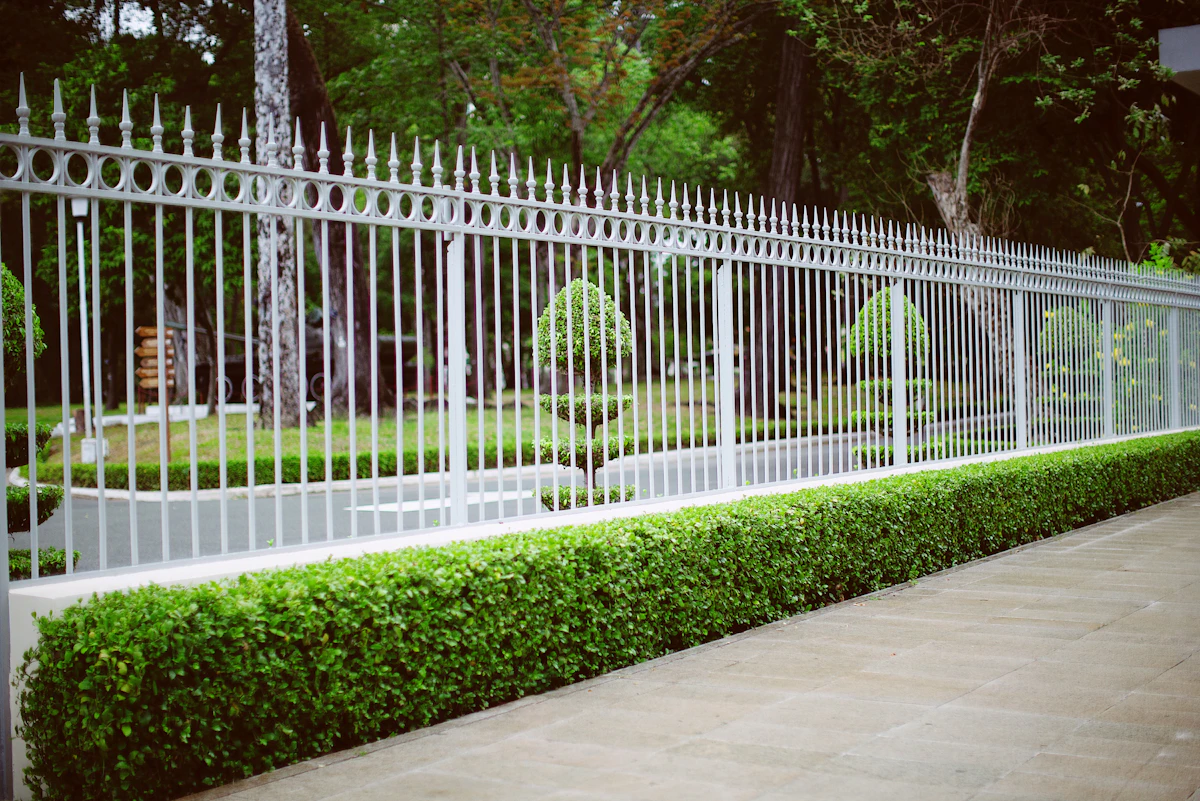
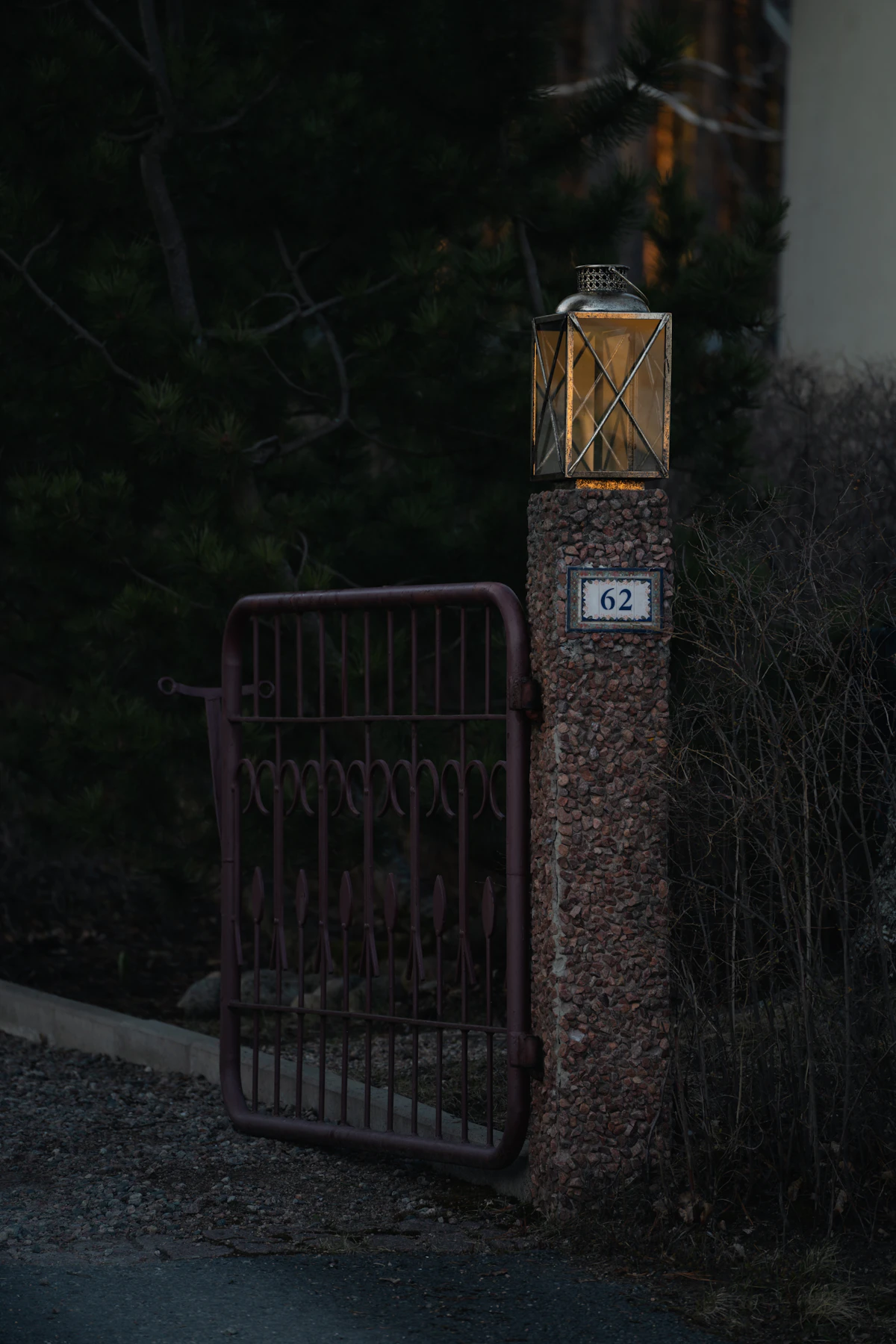
Drive through any Harlingen neighborhood and you'll spot them: iron fences with orange streaks running down from the welds, gates with rust bubbling under the paint, chain link posts flaking at the bottom. It isn't neglect, exactly. It's the Gulf.
Harlingen sits about 30 miles from the coast. That's close enough for warm, humid, slightly salty air to settle on every metal surface for much of the year. Moisture plus oxygen plus a little salt is a perfect recipe for rust, and fences are out in it every day.
The good news: rust is very preventable, and caught early, it's easy to stop. Here's how.
Where rust starts on a fence
Rust doesn't attack a fence evenly. It starts at weak spots in the protective coating and spreads from there. Check these places first:
- Welds. Welding burns off coating, and if the weld wasn't cleaned and recoated properly, rust starts there.
- The bottom rail. It sits closest to the ground, catches sprinkler water and stays damp longest.
- Post bases. Water can pool where the post meets the concrete or soil.
- Scratches and chips. Lawn equipment, bikes and dogs all chip the finish.
- Hinges, latches and bolts. Hardware that isn't galvanized or stainless often rusts first.
- Cut ends. Anywhere a rail or picket was cut on site and not sealed.
Start with the right materials
The best way to fight rust is to build with materials that resist it in the first place. If you're planning a new fence in Harlingen, here's what to ask for.
For iron and steel fences
- Powder-coated steel. The powder is baked on, forming a hard shell that chips far less than paint.
- Galvanized plus powder-coated. A zinc layer under the powder coat. Even if the topcoat gets scratched, the zinc keeps protecting the steel.
- Aluminum. It can't rust at all. It's lighter and less resistant to impact than steel, but for front yards and pools near the coast, it's an excellent choice.
See our wrought iron fence page for more on choosing a metal fence.
For chain link
- Galvanized chain link resists rust for many years.
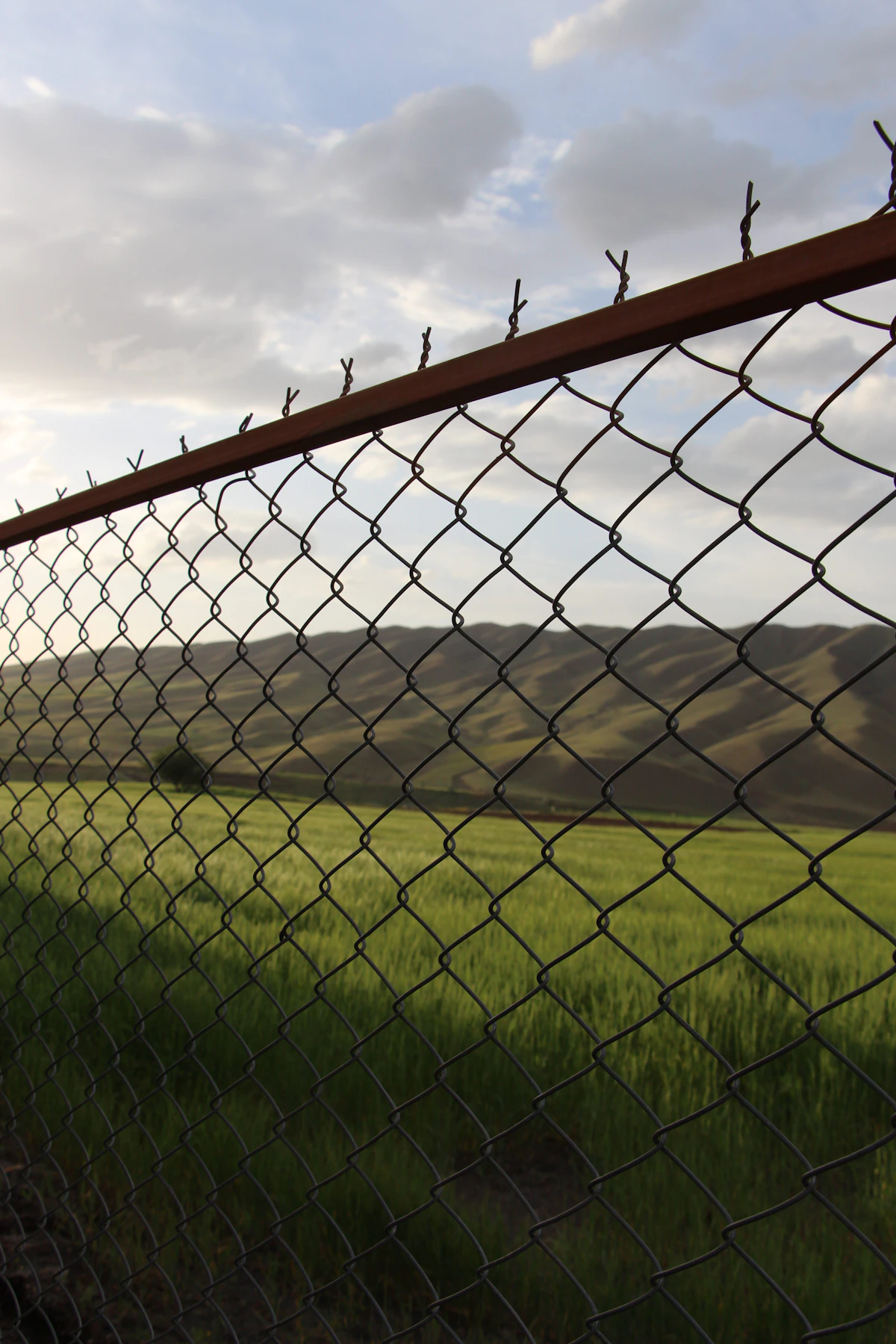
- Vinyl-coated chain link adds a plastic layer over the galvanized wire, which is even better near the coast. Make sure posts and rails are coated too.
For hardware on any fence
Ask for stainless steel or hot-dip galvanized hinges, latches, screws, nails and bolts. Plain steel hardware can rust within a season and stain wood or fail on gates. This applies to wood fences too. Rusty nails leave black streaks on boards and lose their grip over time.
Simple habits that prevent rust
Once your fence is up, a few minutes a few times a year goes a long way.
Rinse it
Salt, dust and fertilizer spray sit on metal and hold moisture against it. Rinse metal fences with a garden hose every few months, especially after dry, windy spells and after storms.
Keep sprinklers off
A sprinkler that hits the same section of fence every day keeps it wet constantly. Adjust heads so they water the lawn, not the fence.
Keep the base clear
Don't let soil, mulch or leaves pile up against posts and the bottom rail. They trap moisture right where rust likes to start.
Touch up right away
The moment you see a chip or scratch, touch it up. Lightly sand the spot, wipe it clean, apply a rust-inhibiting primer and finish with a matching exterior metal paint. It takes ten minutes and stops rust before it spreads under the finish.
Lubricate hardware
Oil hinges and latches twice a year. It keeps them moving and pushes out moisture.
Already have rust? Here's how to stop it
Surface rust
Small orange spots and light flaking can be handled at home:
- Scrub the area with a wire brush or sandpaper until you reach clean metal.
- Wipe away dust and let it dry completely.
- Apply a rust-converting or rust-inhibiting primer.
- Paint with an exterior metal paint that matches the fence.
Heavier rust
If the metal is pitted, flaking in layers or has holes, a touch-up won't hold. Sections may need to be cut out and replaced, or welded and recoated by a professional. Badly rusted posts at the base can fail without warning in a strong wind.
Rusted hardware
Swap rusted hinges, latches and bolts for galvanized or stainless replacements. It's an inexpensive fix that makes gates work better and stops rust stains.
When to call a pro
Call a fence installer when:
- Rust has spread across large areas of the fence
- Welds are cracked or pickets are loose
- Posts are rusted at the base or wobble
- A gate sags because its hinge post has rusted
- You'd rather replace a rusty steel section with aluminum or powder-coated steel
Our fence repair page covers what an installer can fix and when replacement makes more sense.
A yearly rust check
Put this on your calendar each spring, before hurricane season:
- Walk the whole fence and look closely at welds, the bottom rail and post bases
- Rinse the fence
- Touch up any chips or rust spots
- Oil gate hinges and latches
- Check that sprinklers aren't hitting the fence
Wood fences have rust problems too
Rust isn't only a metal fence problem. Wood fences built with plain steel nails and screws often show black streaks running down the boards, and the fasteners lose their grip as they corrode. Over time, boards loosen and pop off in the wind. If you're building or repairing a wood fence in Harlingen, ask for galvanized or stainless fasteners. They cost a little more and prevent both the stains and the loose boards.
Get help with a rusty fence
Whether you need a few sections replaced, a gate rebuilt or a new fence built to last near the coast, tell us about it and we'll put you in touch with a local Harlingen installer. Planning a gate too? Read our guide to choosing a driveway gate.